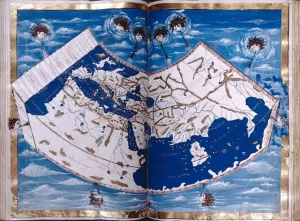
Geographia: An Ancient Blueprint for Mapmaking
Many of history’s major breakthroughs were made by great thinkers





Many of history’s major breakthroughs were made by great thinkers
If you have been following Professor Nick Zentner (CWU) on

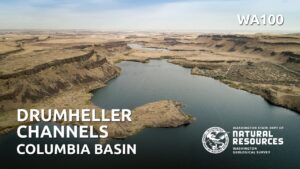
Nestled in the heart of Washington state, the Drumheller Channels

Because of problems with the Zoom broadcast of the Erratics’

Last week, Friends of the Columbia Gorge completed installation on
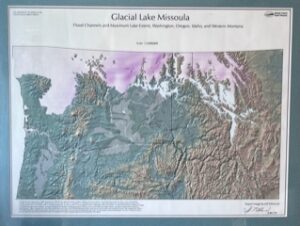
In the early days, the IAFI and National Geologic Trail

Non-members of IAFI have been increasingly taking advantage of our
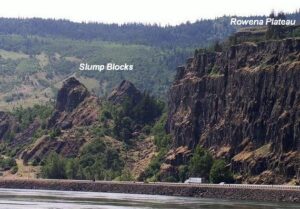
Scenic Rowena Crest and the Tom McCall Preserve area provide

Consuelo Larrabee, a beloved member of the Ice Age Floods
Tualatin, Oregon, lies in its own valley near the head
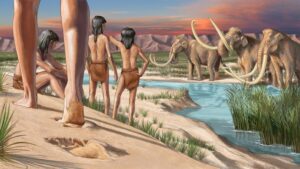
During the last ice age, humans ventured into two vast
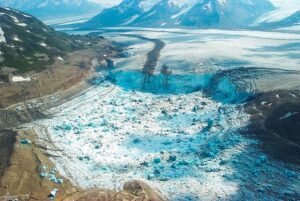
Mendenhall Glacier and other glaciers above Juneau, Alaska, while rapidly
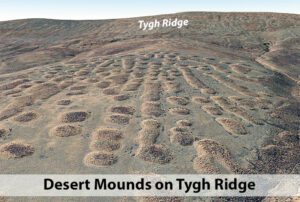
If you’ve visited the Rowena Crest Viewpoint at Tom McCall
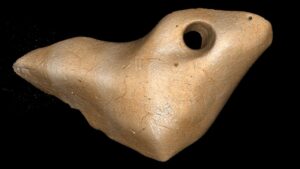
The date that humans arrived in South America has been

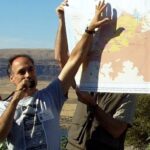
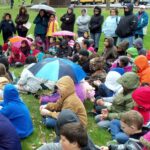

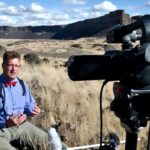
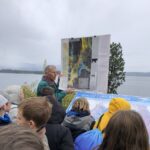



This 1/2-hour video begins with the Ice Age Floods impact on the Palouse area, then goes on with a fascinating oral and pictorial history of the area. The video was produced by Mortimore Productions for the Whitman County Library with materials and information provided by a bevy of contributors, including
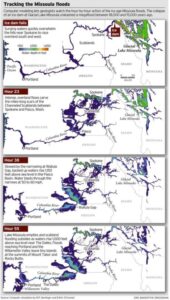
ICYMI (in case you missed it) — Floodwaters rise more than 1,000 feet as they slam into the Columbia River Gorge from the east. The torrent blasts through the narrows at 60 mph, carrying truck-size boulders and house-size icebergs. Reaching Portland, water loaded with gravel and dirt roils to a

Lake Of Fire: Drone Footage Of Icelandic Lava River 1:46 mins A drone camera flies over a red hot lava lake in freezing cold Iceland and nearly melts in the process. The everchanging rivers of glowing lava shining through the gap between floating pieces of cooled crust are mesmerizing. The

Balbas et. al. use cosmogenic beryllium-10 dating methods to further constrain the timing of ice sheet retreat, as well as the potential pathways for megafloods from both Lake Missoula and Lake Columbia. Read this fascinating Geology article summarizing their findings. Balbas2017 – Missoula Flood Chronology In summary, our new chronological
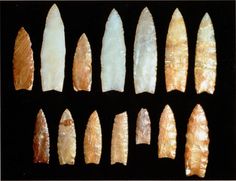
Richard Waitt kindly shared his recent paper published June 2016 in Quaternary Research, titled “Megafloods and Clovis cache at Wenatchee, WA.” “It covers the reach mainly from Chelan Falls to below West Bar, tries to tell the story of sequential megafloods coming to Wenatchee area by different routes at different
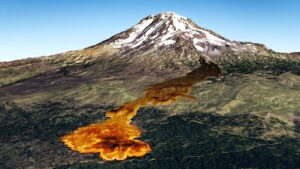
Washington State Geological Survey is collecting, analyzing, and publicly distributing detailed information about our state’s geology using the best available technology – LIDAR – an acronym for Light Detection And Ranging. The main focus of this new push for LIDAR collection is to map landslides, but there are innumerable additional benefits
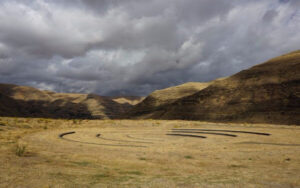
On October 7th at Chief Timothy Park near Clarkston, WA at the latest Confluence Story Gathering, Thomas Morning Owl (Umatilla tribe) noted there are indigenous people’s stories of massive floods going back to 14,000 years ago. While he didn’t elaborate, it would be very interesting to have these stories shared as first-hand
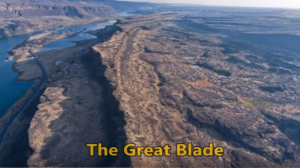
“…there were a few double falls each member of which receded at approximately the same rate, so that the island in mid-channel became very much elongated, like a great blade, as the falls receded and the canyons lengthened.” J Harlen Bretz (1928) A tall, narrow basalt ridge, coined “The Great